
How film used to be developed: from click to finished photo
Step into the darkroom and develop a photo right here in the article.

With digital you see the photo instantly. With film? You wait, you hope, and a little bit of magic happens in the darkroom. Let us walk through how a single click becomes a finished photo, and try a few things right here in the article.
Try it first: develop a photo
In the developer the image does not appear all at once. It slowly emerges from a blank sheet, like breathing on a frosted window. Grab the slider and develop this photo yourself.
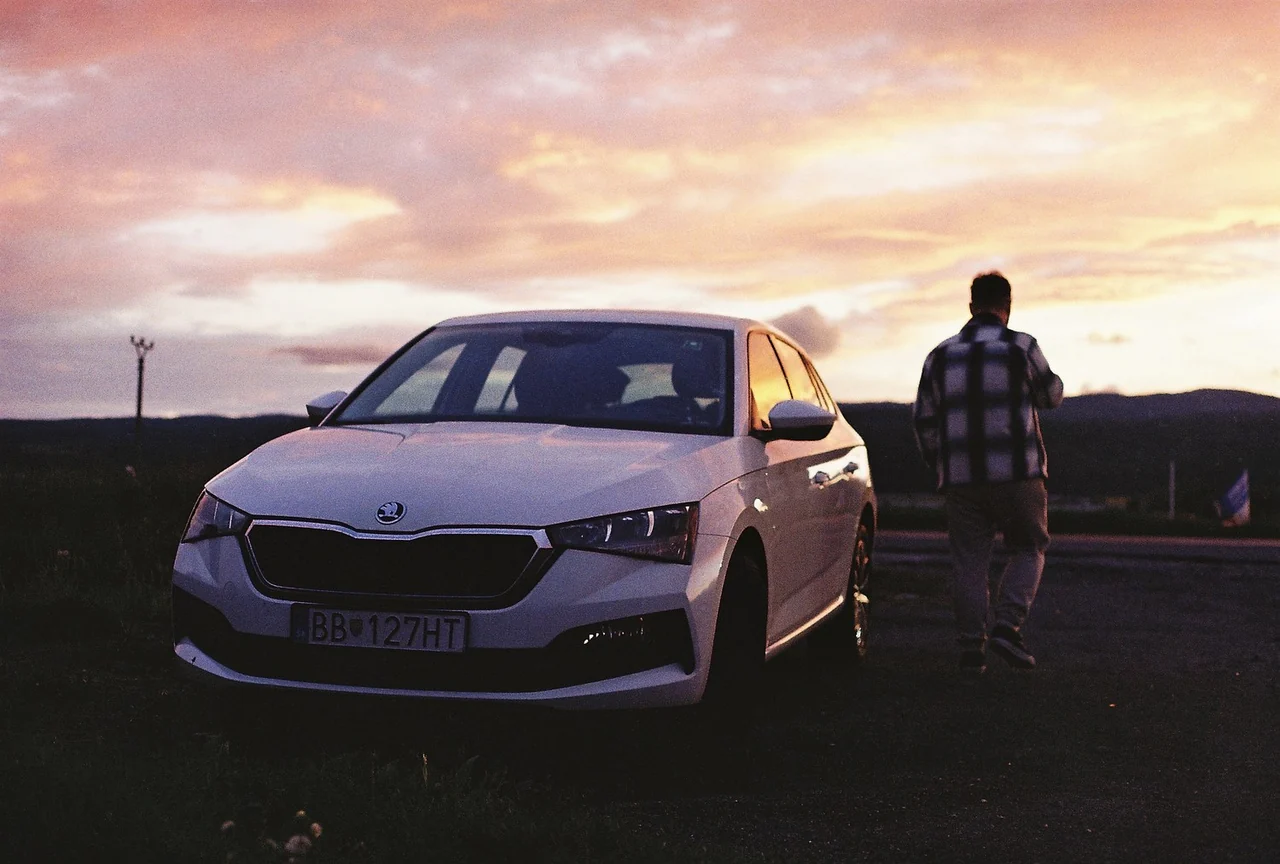
Drag to the right and watch the image rise out of the dark.
How film used to be developed, step by step
Classic black-and-white developing is basically a tiny kitchen full of chemistry. It is not about speed, but about order, time and temperature. Here is how it goes:
- 1Exposure
You click. Light hits the film and creates an invisible latent image. Nothing is visible yet.
- 2Developer
The film goes into the developer, where the hidden image finally appears. Seconds and degrees matter here.
- 3Stop bath
A short acidic bath that stops the developing so the image does not go too far.
- 4Fixer
Fixes the image and removes the film's sensitivity to light. Only now can you turn the lights on.
- 5Washing
A thorough rinse in water. Skip it and the photo yellows over time.
- 6Drying and scanning
The negative dries, then is either enlarged onto paper in the darkroom or scanned to digital.
A film strip from our studio
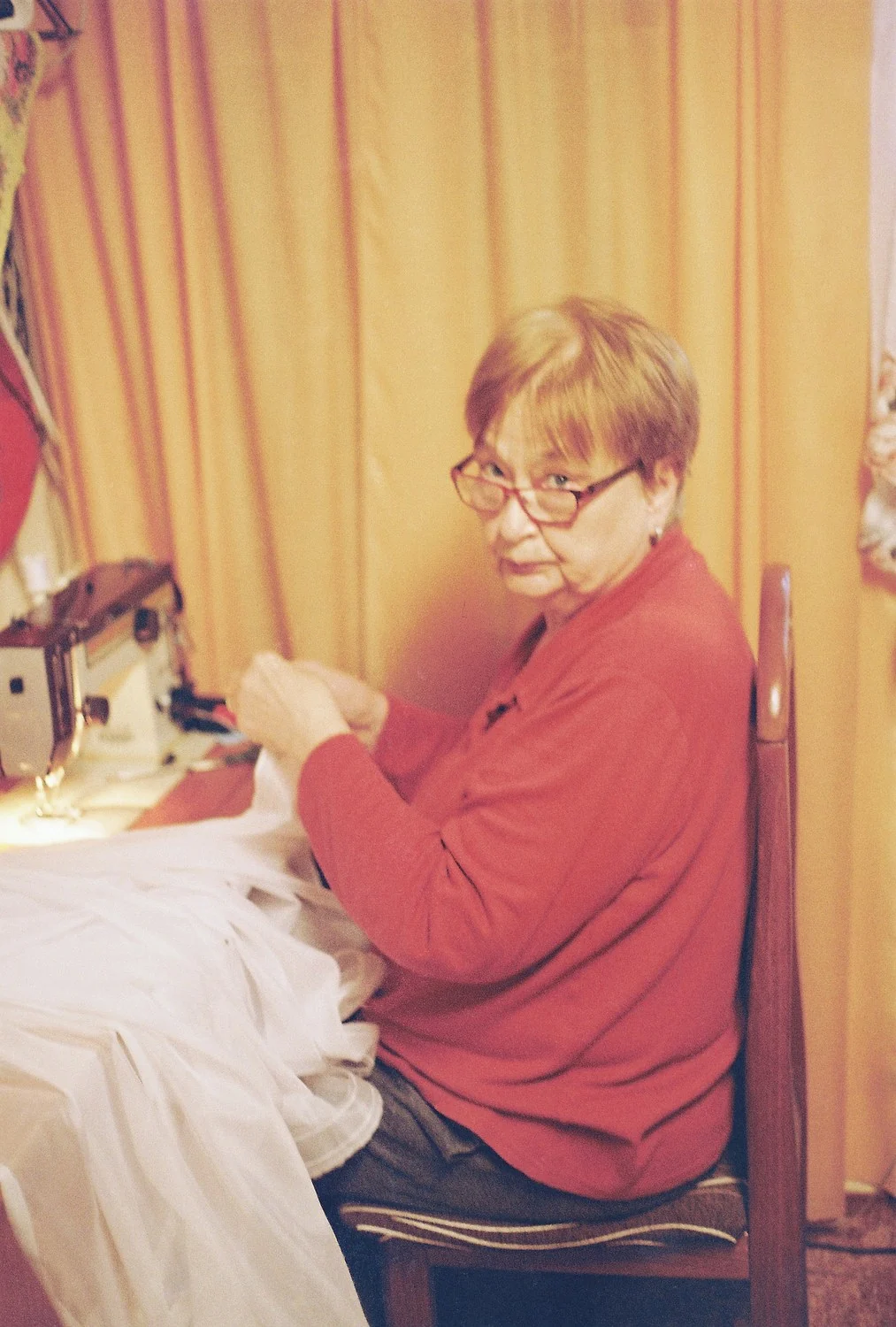
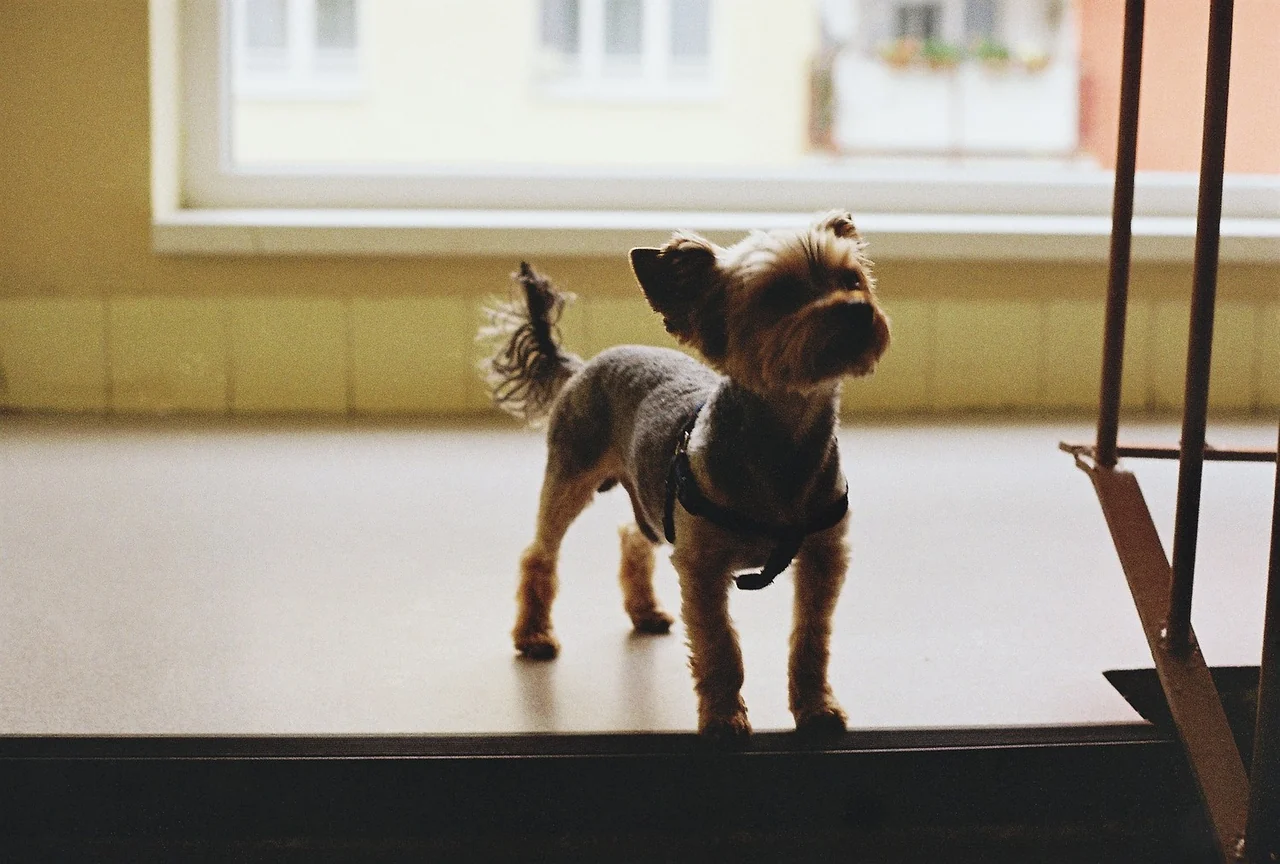
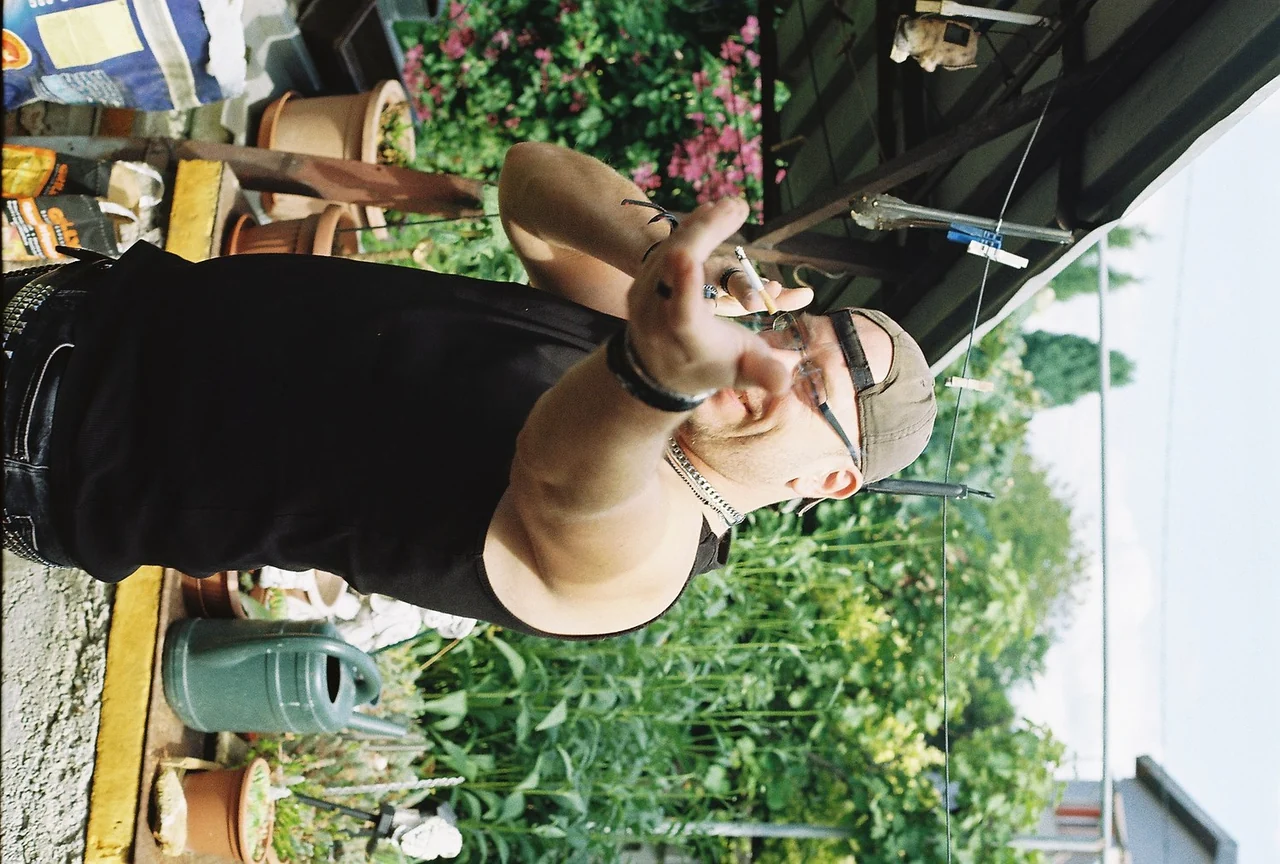
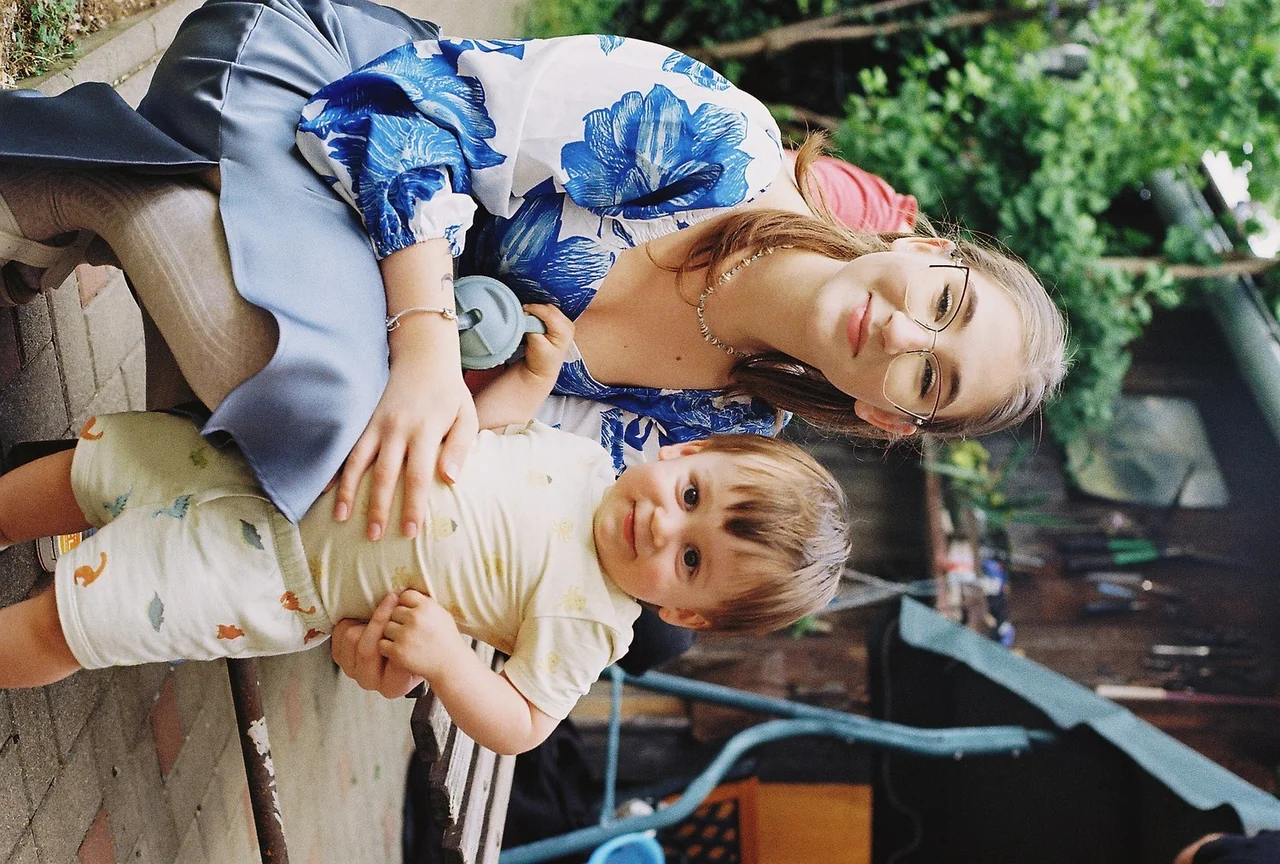
Here is how the shots from our analogue batch look. Grab the strip and drag it sideways like on a light table.
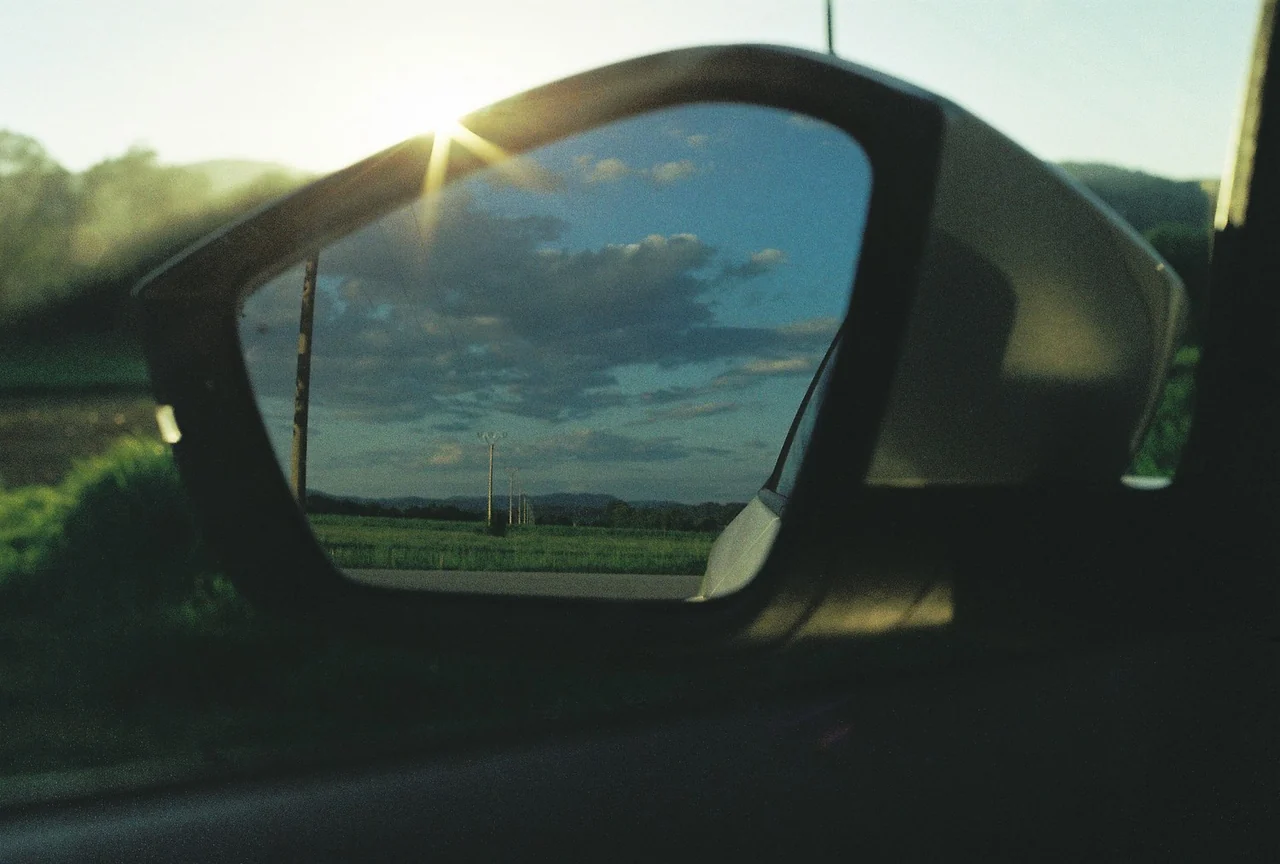


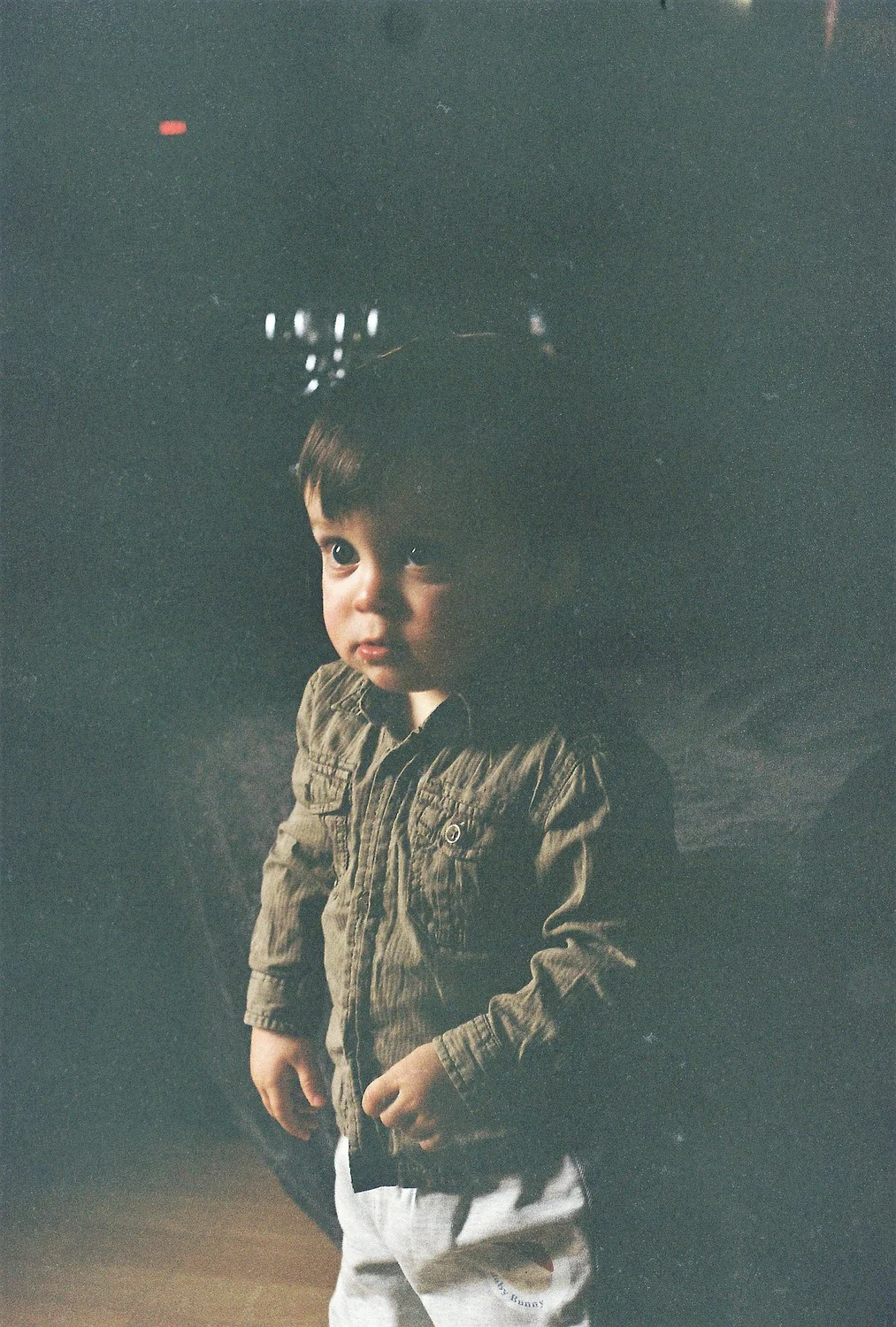


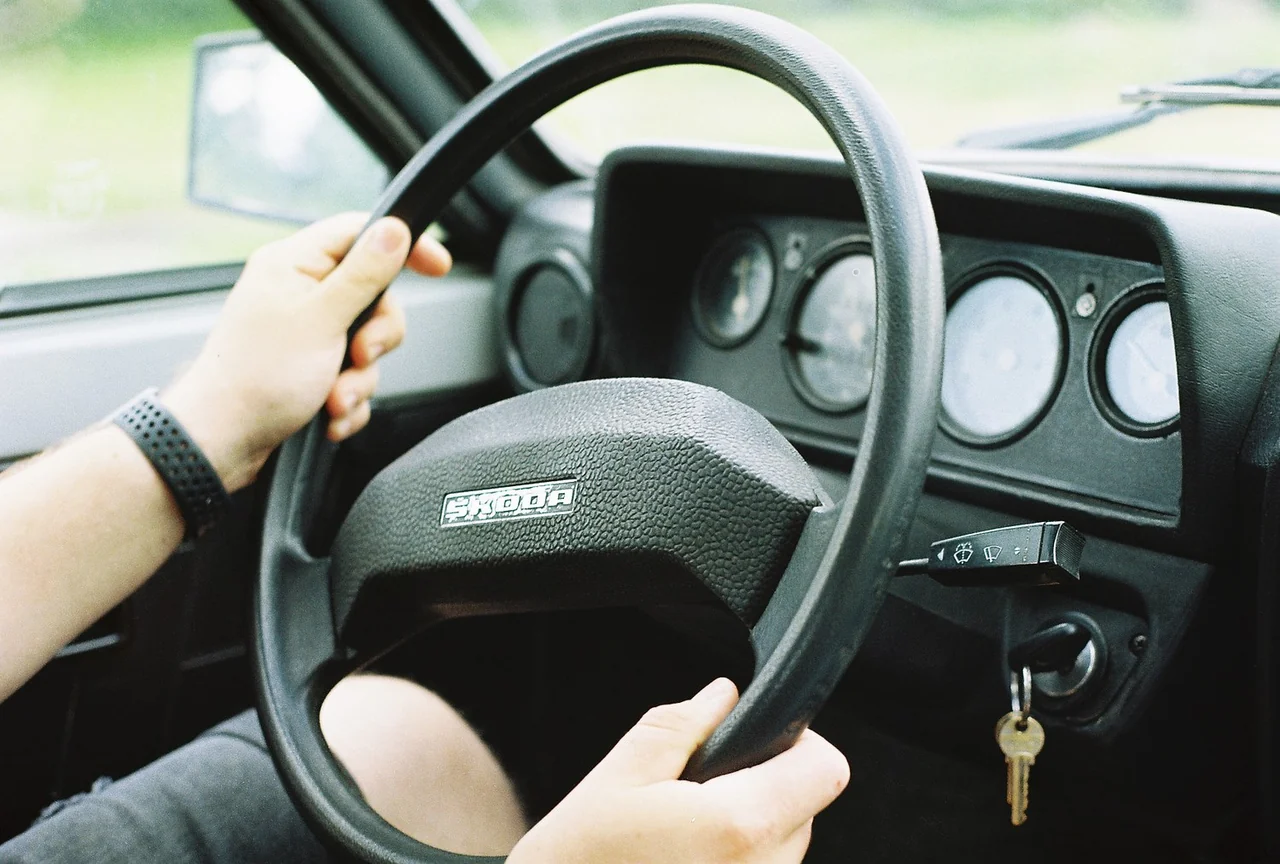
Negative, positive and that famous grain
On film a negative is created first, with inverted tones, and only from it comes the positive, the photo as you know it. And grain? That is the fine texture that gives film its character. Play with both:


What helps
- Let the roll run to the end before developing.
- Allow time for developing and scanning.
- Treat grain and imperfections as part of the style.
What to avoid
- Opening the film before it's fixed.
- Rushing the developer, time and temperature matter.
- Expecting an instant preview like with digital.
Frequently asked questions
How long does it take to develop film?
The process itself takes tens of minutes, but you usually wait a few days for the finished, scanned photos.
Why does film become a negative first?
The chemical process inverts the tones, only from the negative is the positive made later, the photo as you know it.
Is grain on film a flaw?
No, it's a natural texture of film and gives it its characteristic look.
Do you offer analogue photography too?
Yes, we shoot on film as a standalone service and as a complement to digital, we're happy to advise.
Want to try an analogue shoot?
We shoot on film and digital, depending on the mood you're after. Have a look at our services, or just write to us.
Analogue photography Get in touchQuick recap
- Film does not appear instantly, the image builds up in the developer.
- Process: exposure, developer, stop bath, fixer, washing, drying.
- Negative first, then the positive. Grain gives film its character.
- Analogue slows you down and makes you think about every frame.