Analogue vs. Digital: Why the Good Old Classic Is Making a Comeback
Film is having a comeback. Why, and when does analogue make sense?
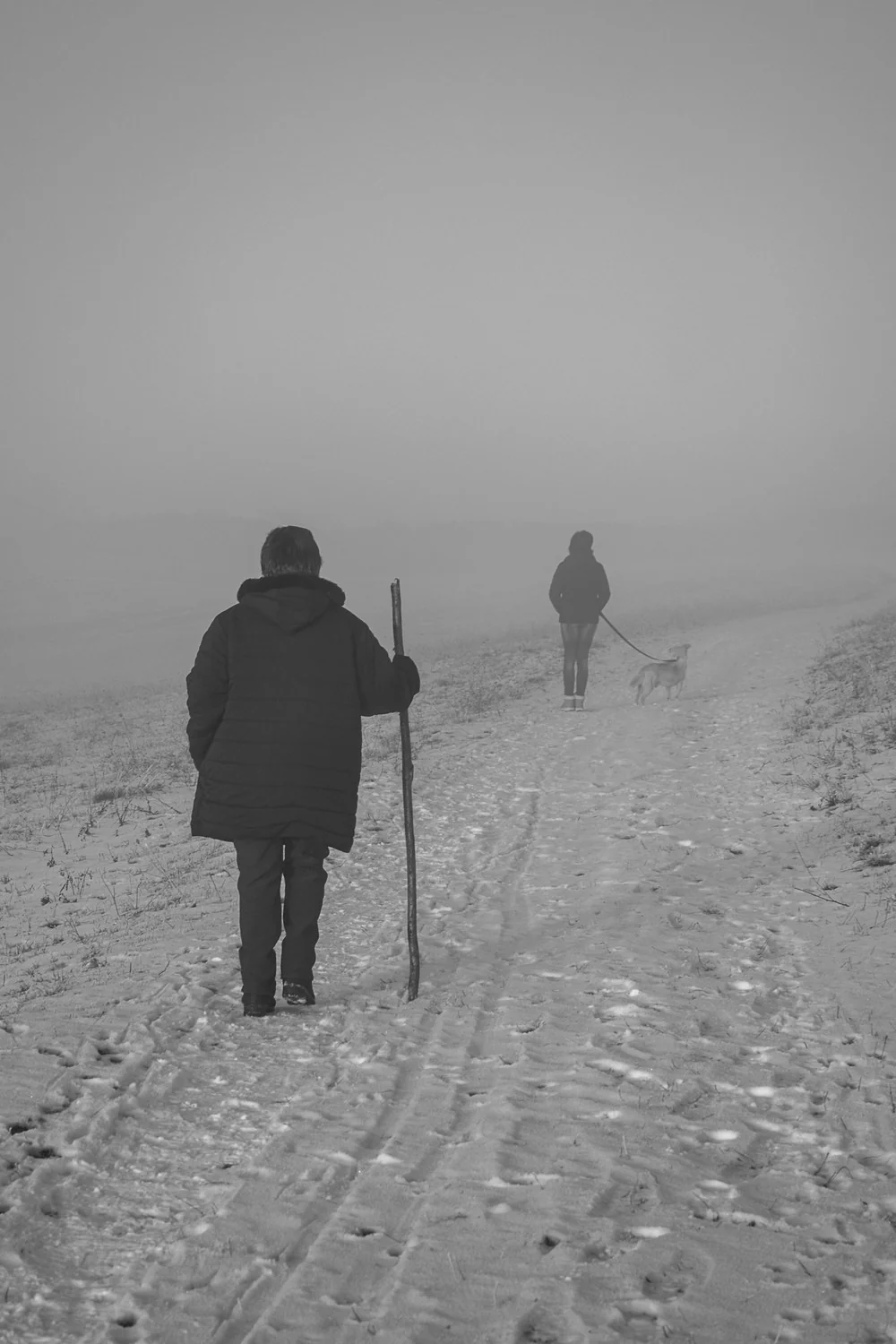
Film is coming back. What's behind it, and when does analogue really make sense? Let's look at both sides, at grain, colour, process and the mood that only one of the two media can bring.
The magic of film
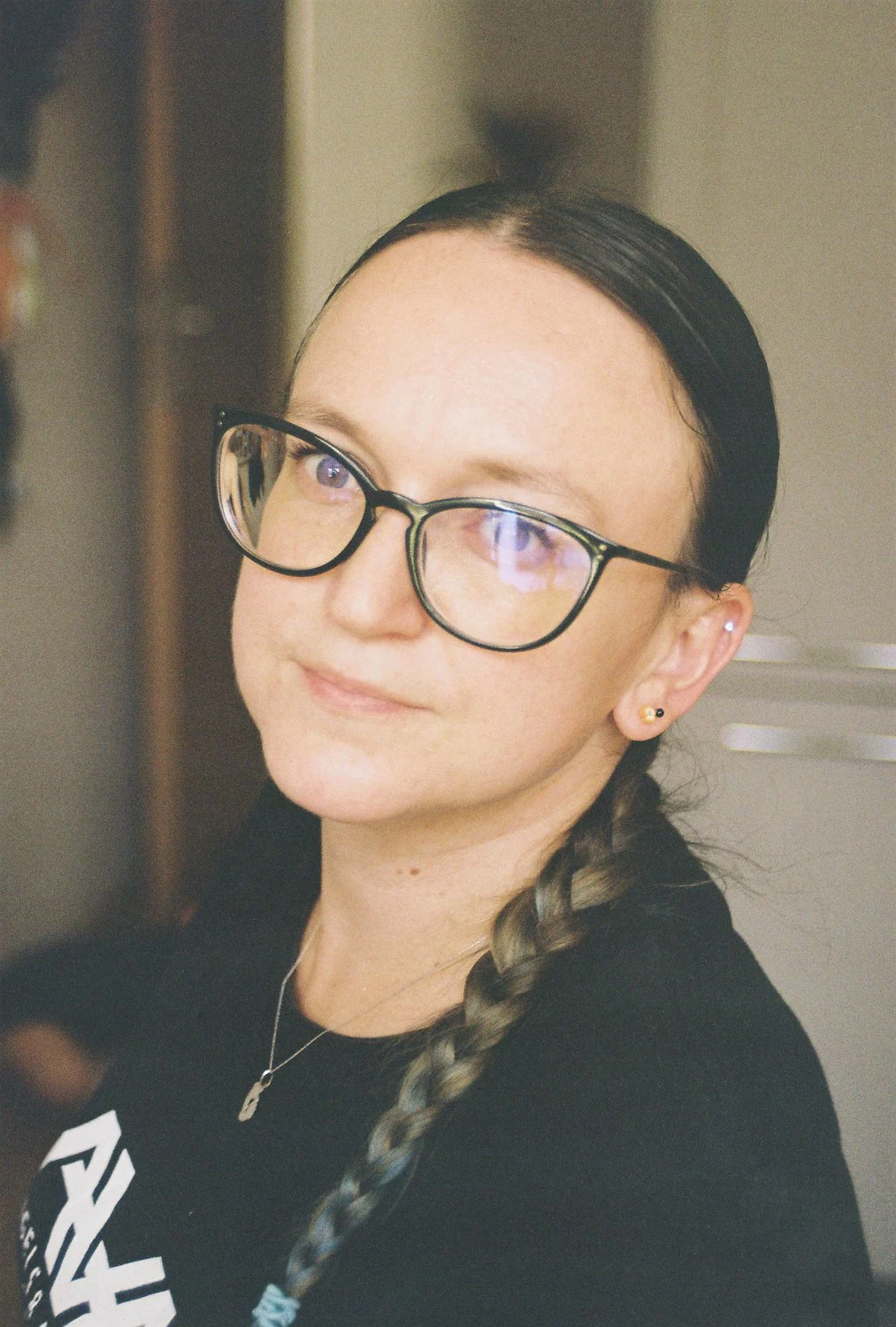
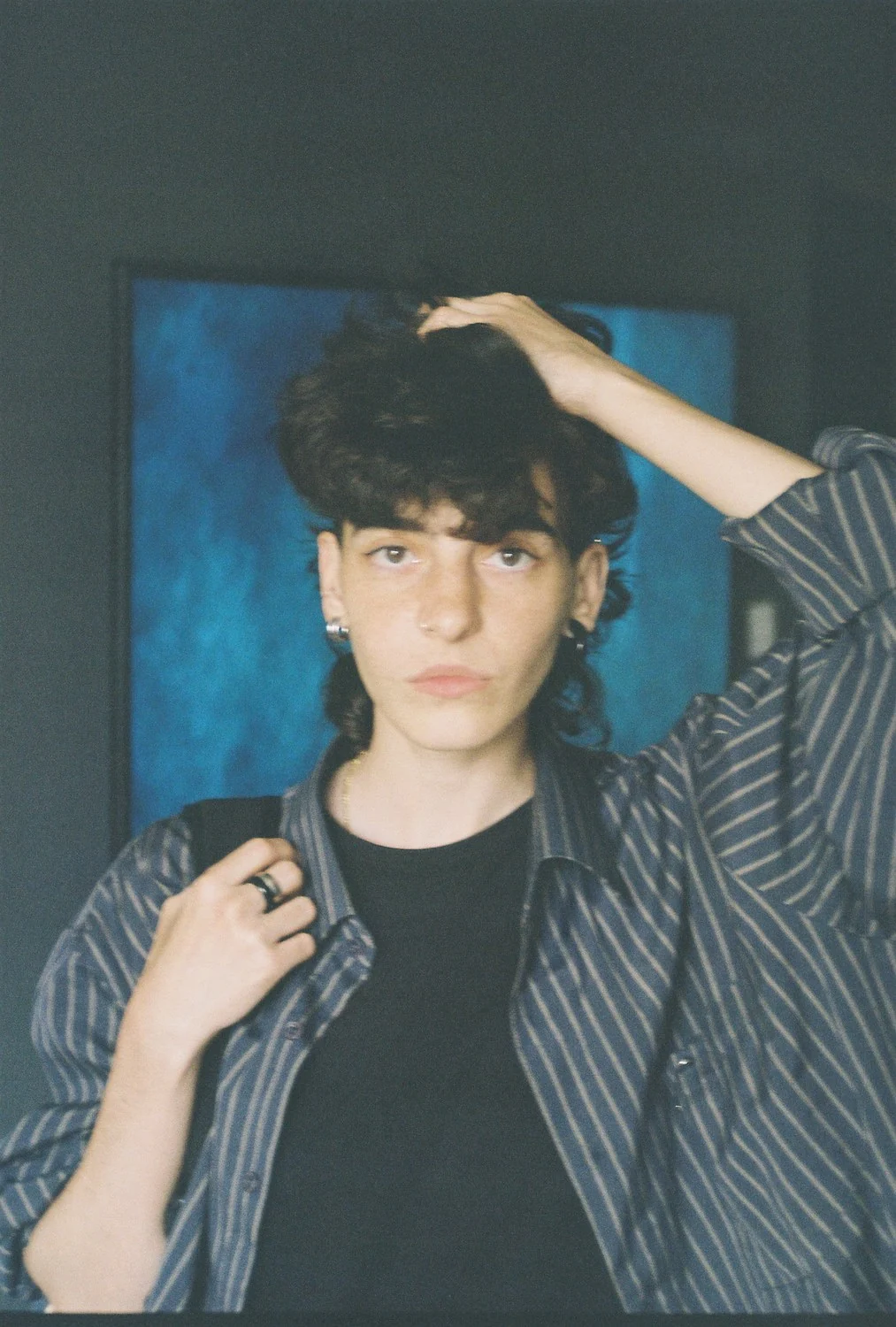
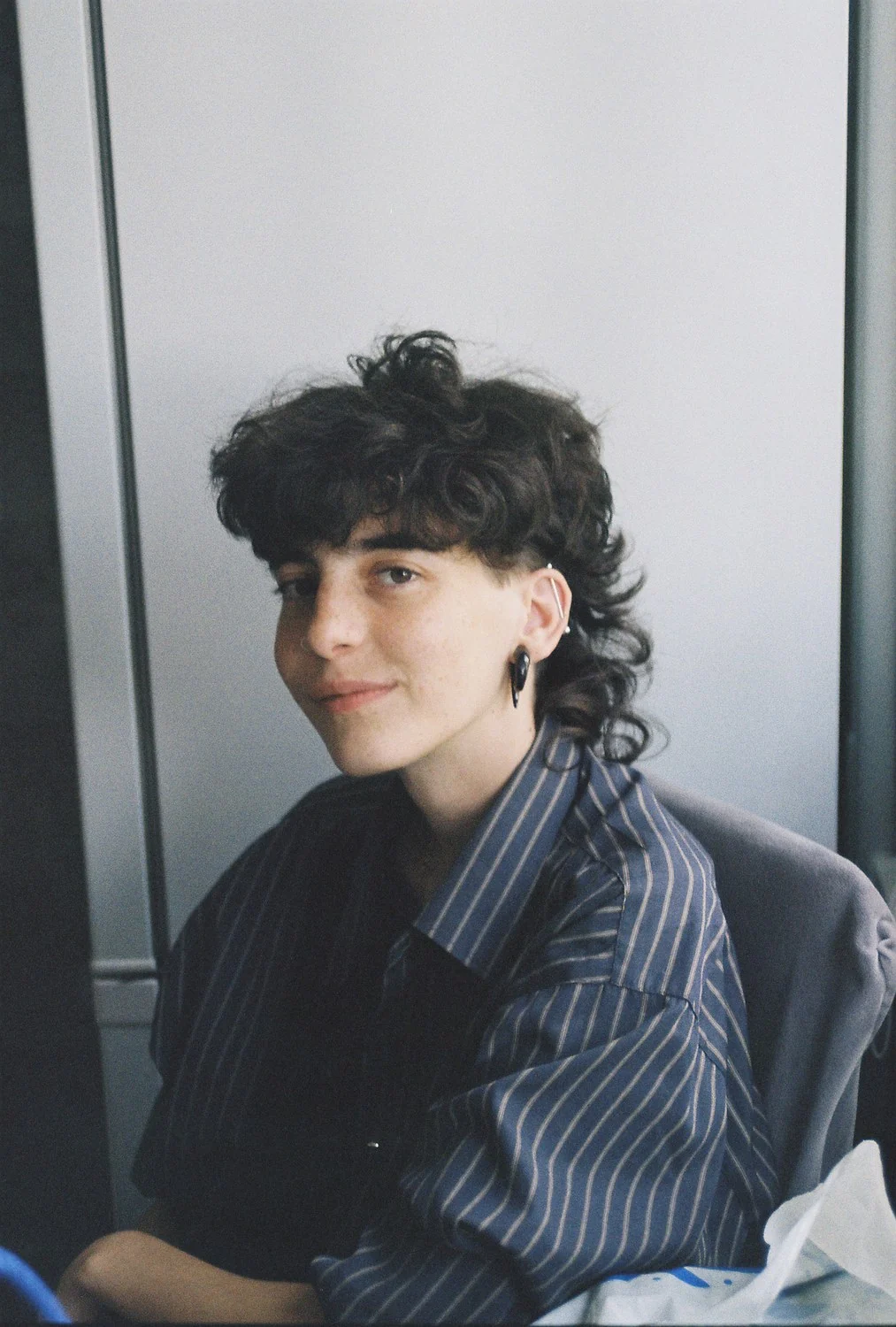
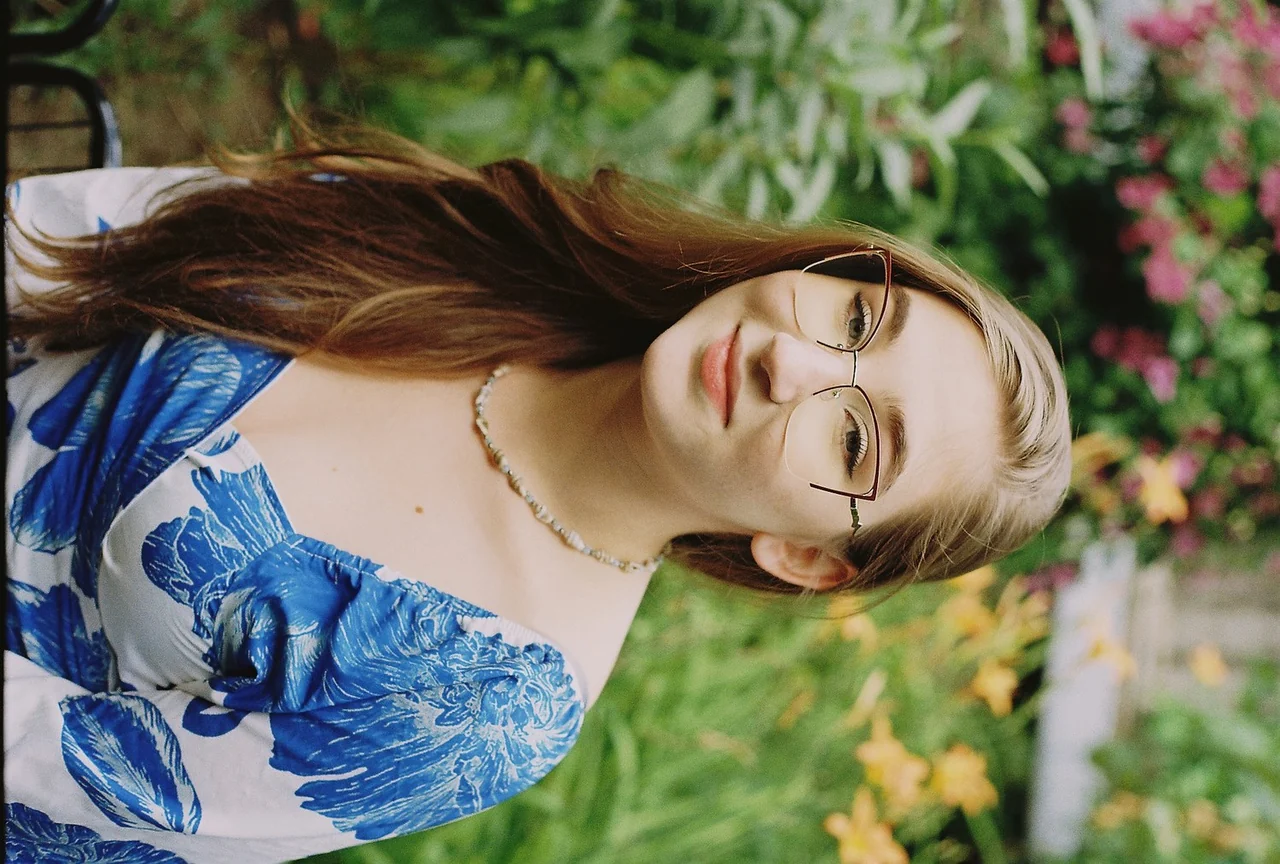
Analogue has its own atmosphere, fine grain, colours and imperfections that feel honest and timeless. Every frame counts.
Film isn't formed on a sensor but on a chemical layer that reacts to light in a completely different way from digital. Blown highlights roll off softly into white instead of clipping hard, shadows keep a natural texture and colours feel warmer and less computed. That latitude, the ability of film to forgive an imprecise exposure, is what makes analogue such a rewarding medium for portraits and weddings, where the light keeps changing through the day.
Grain, colour and light
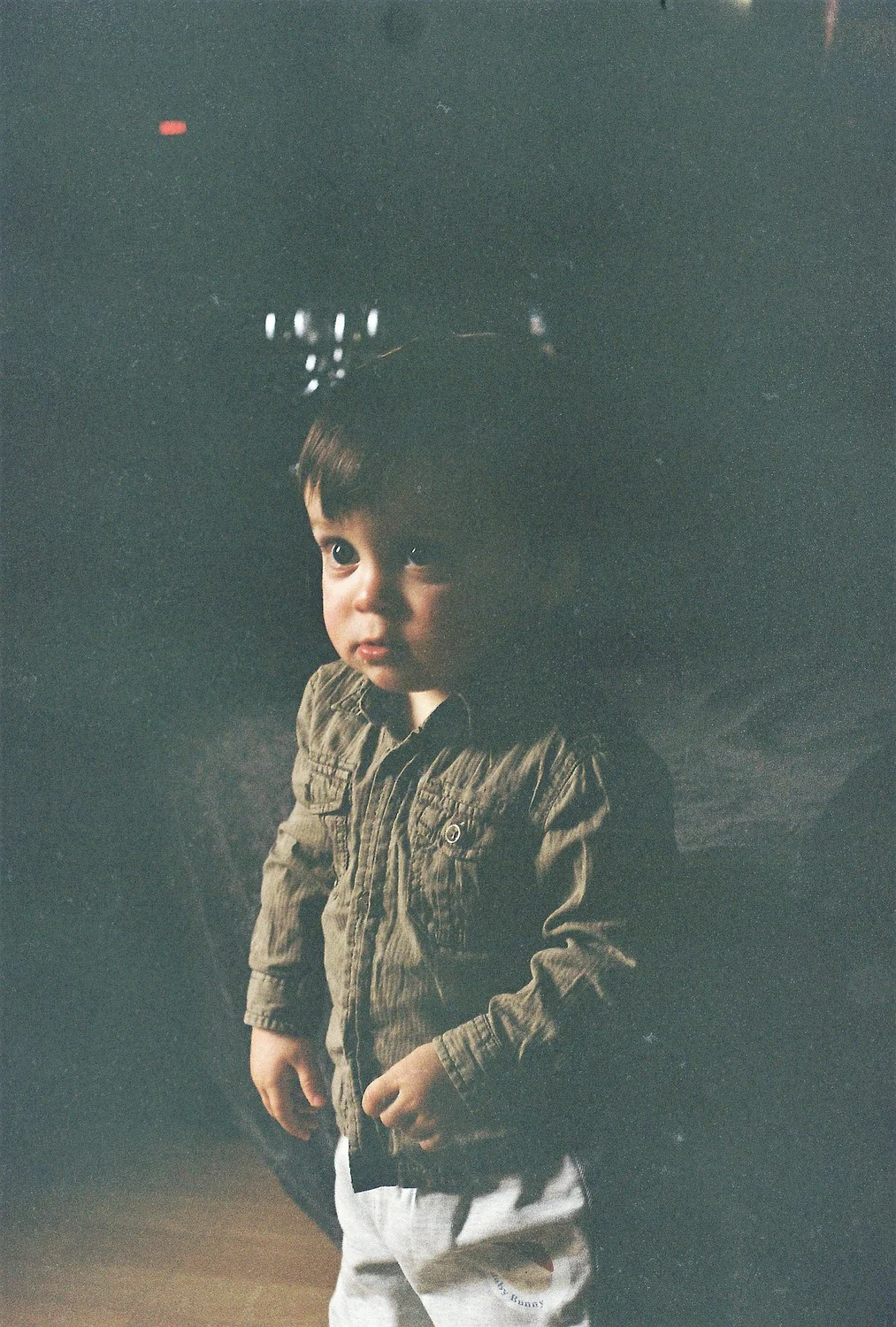
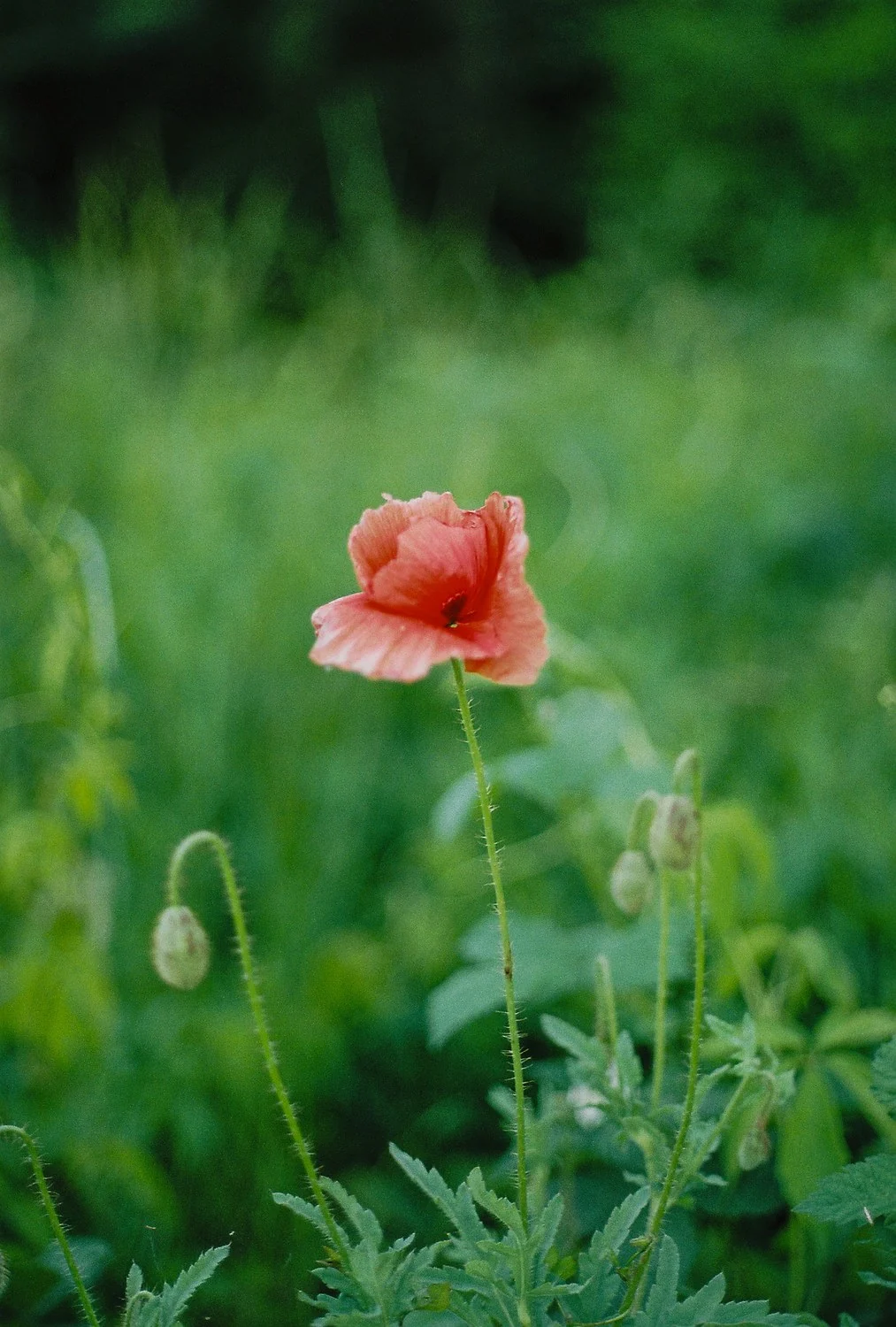
Grain isn't a flaw, it's part of film's character. Every film stock has its own grain and its own colour mood, one is fine and cool, another is coarser and warm. Digital noise, on the other hand, is something we try to suppress as much as possible, since it tends to feel distracting and technically imperfect.
The difference also shows in how each medium handles contrasty light. Film copes better with bright sun or backlight, colours roll smoothly without harsh transitions. Digital needs a more precise exposure, but rewards you with instant feedback on the screen.
The power of digital
Digital gives certainty, speed and flexibility. You see the result instantly, take more frames and have full control when editing.
On a single shoot we can end up with dozens of versions of the same frame and pick the best smile or the best movement. Editing is nearly unlimited, we can fine tune colour, contrast and small retouches exactly to the vision, without worrying about running out of film. That's why digital is the natural choice for commercial work, product photography and events, where turnaround speed matters most.
Process, time and cost
Analogue means a slower, more deliberate process. Film has to be developed and scanned, so you don't see the results right away, usually only after a few days. That pause has its own charm, waiting for the photos becomes part of the experience.
Cost wise, film is more demanding, since material, developing and scanning add to the photographer's time. Digital delivers faster and is generally more affordable, which makes it the practical choice when you need the photos as soon as possible.
| What we compare | Analogue (film) | Digital |
|---|---|---|
| Grain and texture | Natural grain, gentle softness | Clean image, grain added later |
| Colours | Distinctive, set by the film | Neutral, fully editable |
| Preview on site | None, result only after developing | Instant on the screen |
| Number of shots | Limited, makes you think | Practically unlimited |
| Delivery speed | Slower, developing and scanning | Fast, right after the shoot |
| Cost per shot | Higher, film and developing | Low after the initial investment |
| When it fits | Personal and mood driven projects | Weddings, events, commercial deadlines |
When to reach for film
When you want mood and uniqueness and don't mind waiting for developing. Film suits artistic and personal projects. It works especially well for engagements, family portraits or personal projects, where atmosphere matters more than perfect sharpness.
When to reach for film
- When you want slow, deliberate shooting.
- A personal project with mood and nostalgia.
- Portraits with character and gentle grain.
- When you don't mind waiting for developing.
When to choose digital
- Weddings and events where you need certainty.
- Commercial deadlines with fast delivery.
- A large volume of shots at once.
- Difficult or fast changing light.
You don't have to choose
Often the best is a combination. Digital for certainty, film for that extra atmosphere in a few frames.
At a wedding, digital can reliably and cleanly cover the whole day, while a handful of film frames bring that exceptional, almost painterly mood that the most beautiful moments deserve.
Analogue or digital
- Analogue: atmosphere and timelessness
- Digital: certainty, speed, control
- Film for artistic and personal projects
- A combination gives the best of both
Interested in analogue? Get in touch and we'll tell you what's possible.
Frequently asked questions
Is analogue better than digital?
Neither is better, they are two different tools. Analogue gives mood and grain, digital gives certainty, speed and flexibility. You choose based on what you want from the shoot.
Do you shoot on film too?
Yes, we offer analogue photography as a standalone service and as a complement to digital. We are happy to talk through whether it fits your idea.
How long until I get the photos from film?
Longer than from digital, because the film has to be developed and scanned. Count on a few extra days compared to a digital shoot.
Can analogue and digital be combined in one shoot?
They can, and we often do exactly that. Digital secures the shots, film adds the right mood. The best of both worlds.
Want a shoot on film?
We do both analogue and digital photography, tailored to you. Have a look at our services, or just tell us what you have in mind.
Analogue photography Get in touchQuick recap
- Film has a unique atmosphere.
- Digital gives certainty and control.
- Analogue suits art and personal projects.
- A combination is often best.