
Don't Be Afraid of the Dark: Tips for Shooting in Low Light
Low light isn't the end. On the contrary, it can make the loveliest atmosphere.
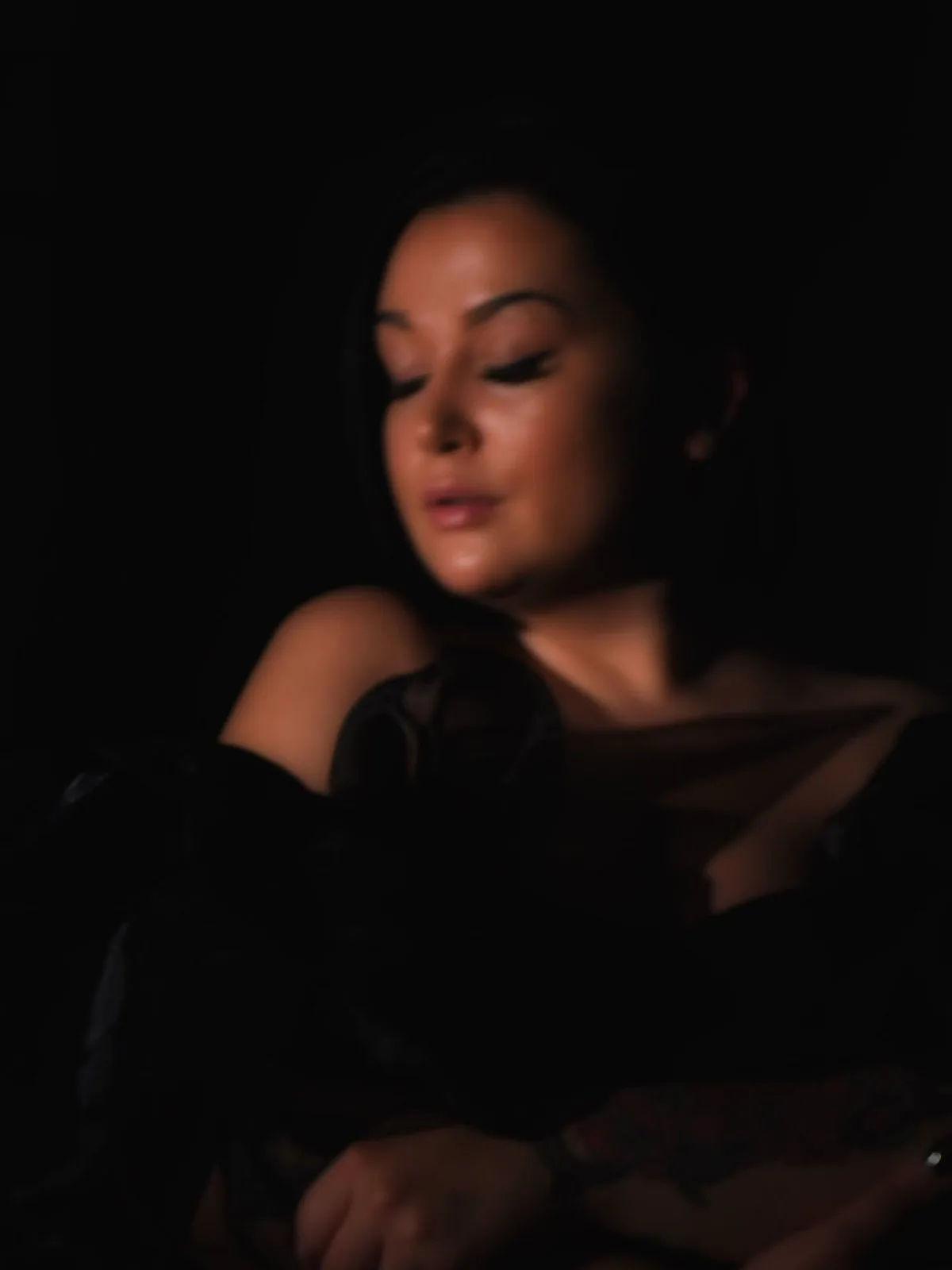
Little light isn't the end of a shoot. On the contrary, it's where the loveliest, cinematic atmosphere can appear.
The dark gives mood
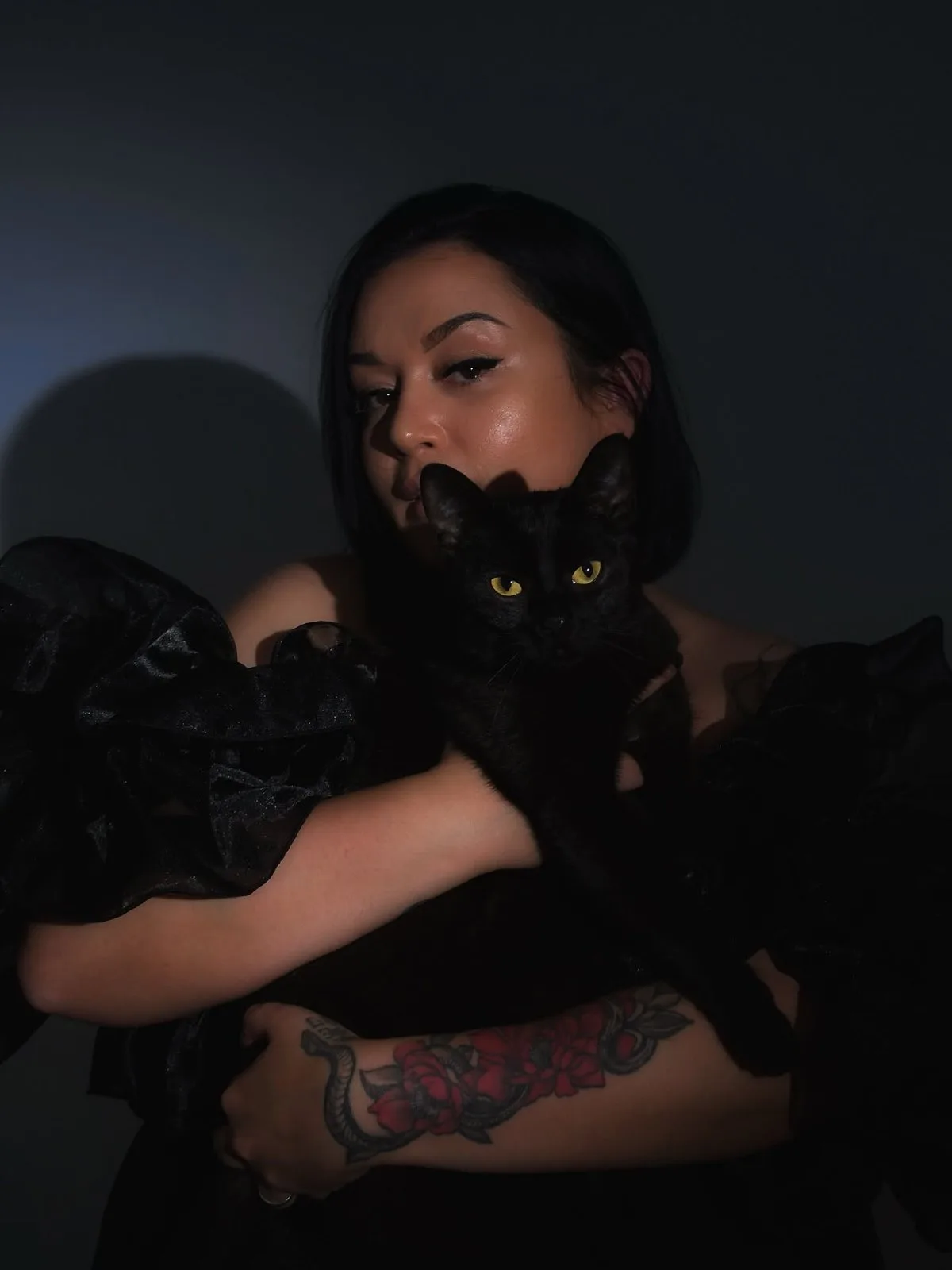
Low light, candles, neon, sunset. This is exactly where atmospheric, cinematic frames appear that you can't make during the day.
During the day, light tends to be sharp and even, it lights a photo well but often strips away its mystery. At dusk the opposite happens. The contrast between light and dark adds depth, spaces feel larger and the mood turns more intimate. That's why so many film scenes play out in the dark, the eye focuses on what's lit and fills in the rest on its own.
Find a light source
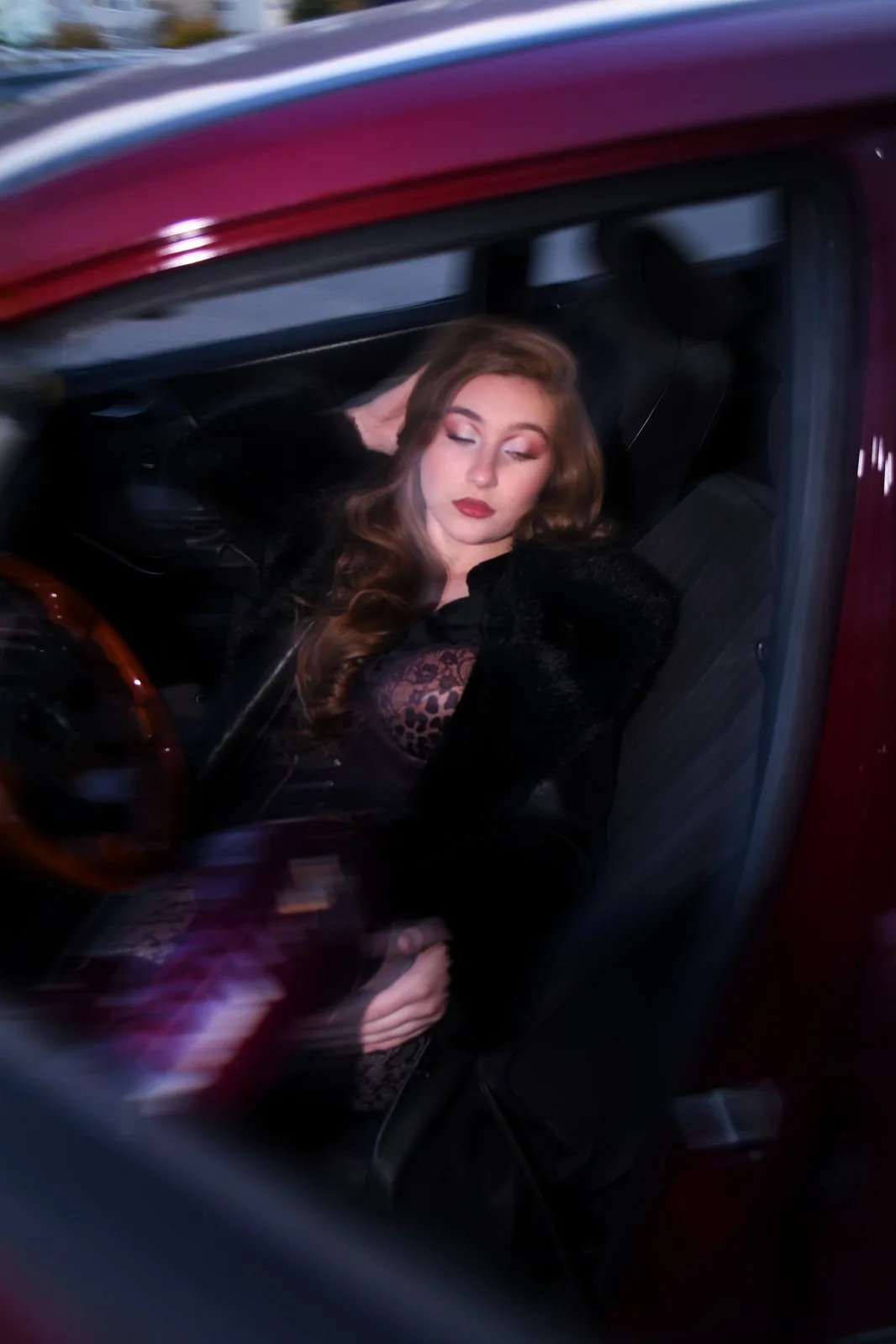
Even in the dark there's always some light, a lamp, a window, a shop window. Put a face in it and you instantly have a shot.
A city environment offers dozens of such sources: a street lamp, a neon sign, a lit café window, car headlights, even a phone screen. What matters is noticing the direction and colour of the light. Warm sodium lamps give a photo an amber tone, cool LEDs a colder, more urban feel. Try moving around the light source and watching how the shadow on a face changes, a shift of just a few steps can completely change the result.
Calm and stability
With little light you need stability and a calmer pace. That's why more intimate, focused photos come out of it.
In low light the camera needs a longer shutter speed to gather enough light, which leaves less room for error. A tripod, or at least leaning against something solid, can save the sharpness of a shot. It also pays to slow down when working with a model, sudden movements blur at a longer exposure, while calm, flowing gestures stay readable.
Don't fear grain
Fine grain when shooting in the dark isn't a flaw, it gives a photo character and a filmic touch.
To cope with a lack of light, a camera reaches for a higher ISO, and with it more digital noise. That's nothing to worry about. A sensibly chosen ISO, a bit higher than you'd use during the day, gives you a fast enough shutter speed to keep the shot sharp, and the grain that comes with it feels natural, much like classic film stock. It's worse when a photographer fights noise at any cost and sacrifices sharpness instead.
Shadows as part of the story
Shadow isn't just what's left where the light doesn't reach, it's a full compositional element. A long shadow cast on a pavement, a silhouette against backlight, or just part of a face sunk into darkness, all of it adds tension to a photo and leaves room for imagination. Instead of trying to light everything, try using shadow on purpose, let part of the composition stay dark and let the viewer fill in the rest of the story themselves.
When it's worth adding light
Not every dark scene is photogenic on its own, and sometimes there simply isn't enough light for a shot to work. That's when a touch of extra light helps, a small LED panel, a flash bounced off a wall, or even a phone screen held nearby. The goal isn't to overpower the dark but to fill in what's missing, a face should stay readable while the surroundings can happily stay dim. It's exactly this balance between light and dark that decides whether a photo feels natural or overlit.
Shooting in low light
- Use the atmosphere of dusk and neon
- Find and use a light source
- Work calmly and steadily
- Treat grain as style, not a flaw
- Treat higher ISO as a tool, not a problem
- Use shadows as part of the composition
- Add a touch of light to a face when needed
Drawn to atmospheric dusk or night shoots? Get in touch, it's one of our favourite moods.
What helps
- Look for one clear light source.
- Lean against something solid or use a tripod.
- Let part of the composition stay in shadow.
What to avoid
- Trying to light everything evenly.
- Shooting handheld without support.
- Fighting grain at a higher ISO.
Frequently asked questions
Do I need expensive gear to shoot in the dark?
No, you just need to find a light source and work calmly. Expensive lights aren't required.
How do I avoid blurry photos in low light?
Lean against something solid or use a tripod, and slow your pace, sudden movements blur at a longer exposure.
Is grain a problem when shooting in the dark?
No, fine grain adds character and a filmic touch, there's no need to fear it.
Do you shoot at night or in low light too?
Yes, atmospheric dusk and night shoots are one of our favourite moods, we're happy to help with location and timing.
Want an atmospheric shoot in low light?
We shoot portraits at dusk and at night too, where the loveliest mood appears. Have a look at our services, or just tell us what you have in mind.
Our services Get in touchQuick recap
- Low light gives a filmic atmosphere.
- There's always some light source.
- At dusk we shoot more calmly.
- Grain is style, not a flaw.
- Higher ISO and fine grain are perfectly fine.
- Shadows are part of the composition, not a flaw.