
Outdoor Portrait vs. Architecture: Connecting a Person with Their Surroundings
When a person and a space meet, a photo with a story appears. How do you do it?
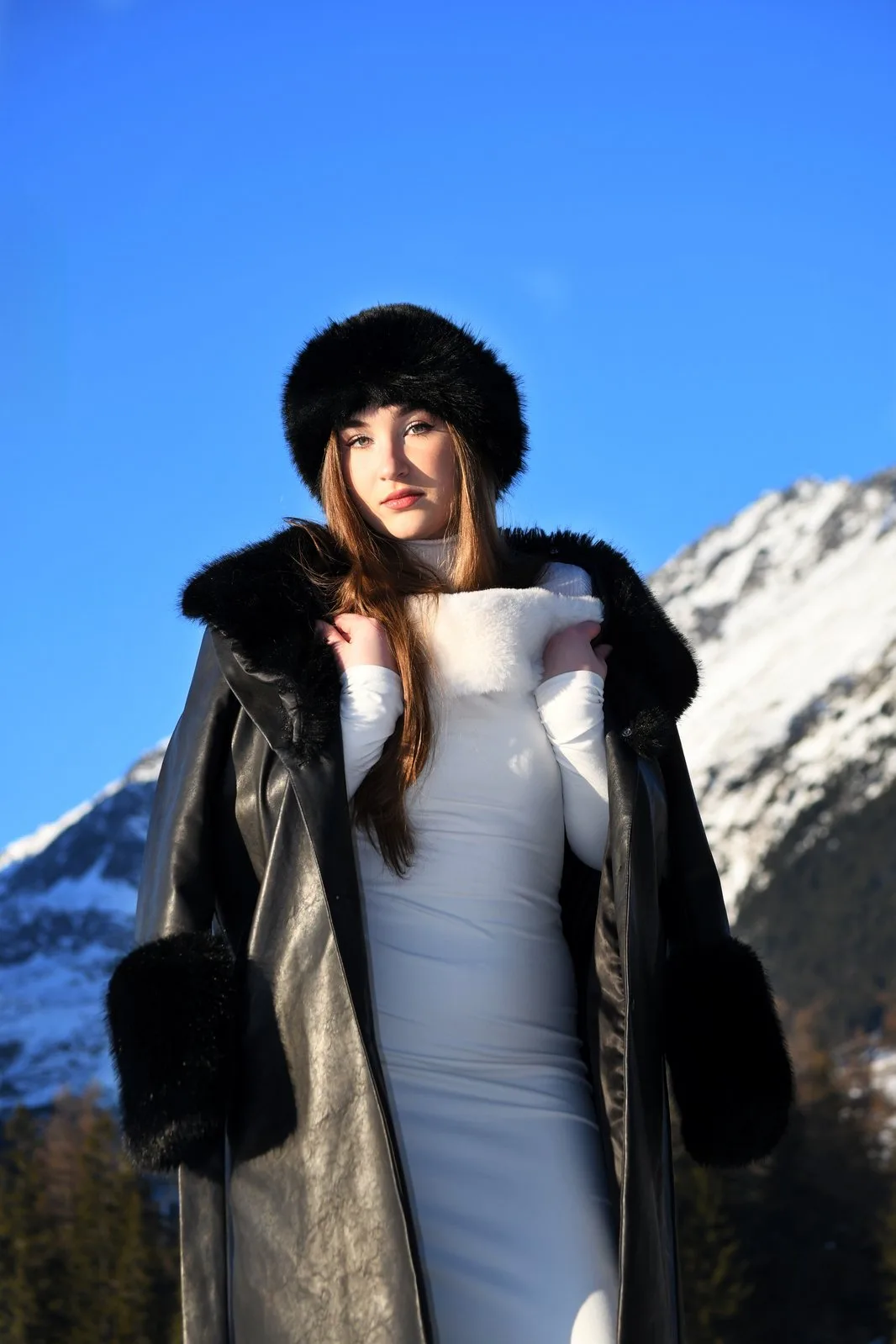
When a person and a space meet, a photo with a story appears. How do you connect a portrait with architecture so they work together?
The setting as part of the story
The architecture around a person isn't just a background. Lines, materials and space complete the mood and tell where and who you are.
Brick, glass, stone or bare concrete each carry their own character and colour, and that character shapes the overall mood of a photograph. The warm tone of old brick reads very differently from the cool glass of a modern building, and it's exactly this contrast or harmony with the clothing that makes a shot memorable. When we scout a location we think not only about composition but also about the mood we want the photo to carry.
Playing with scale
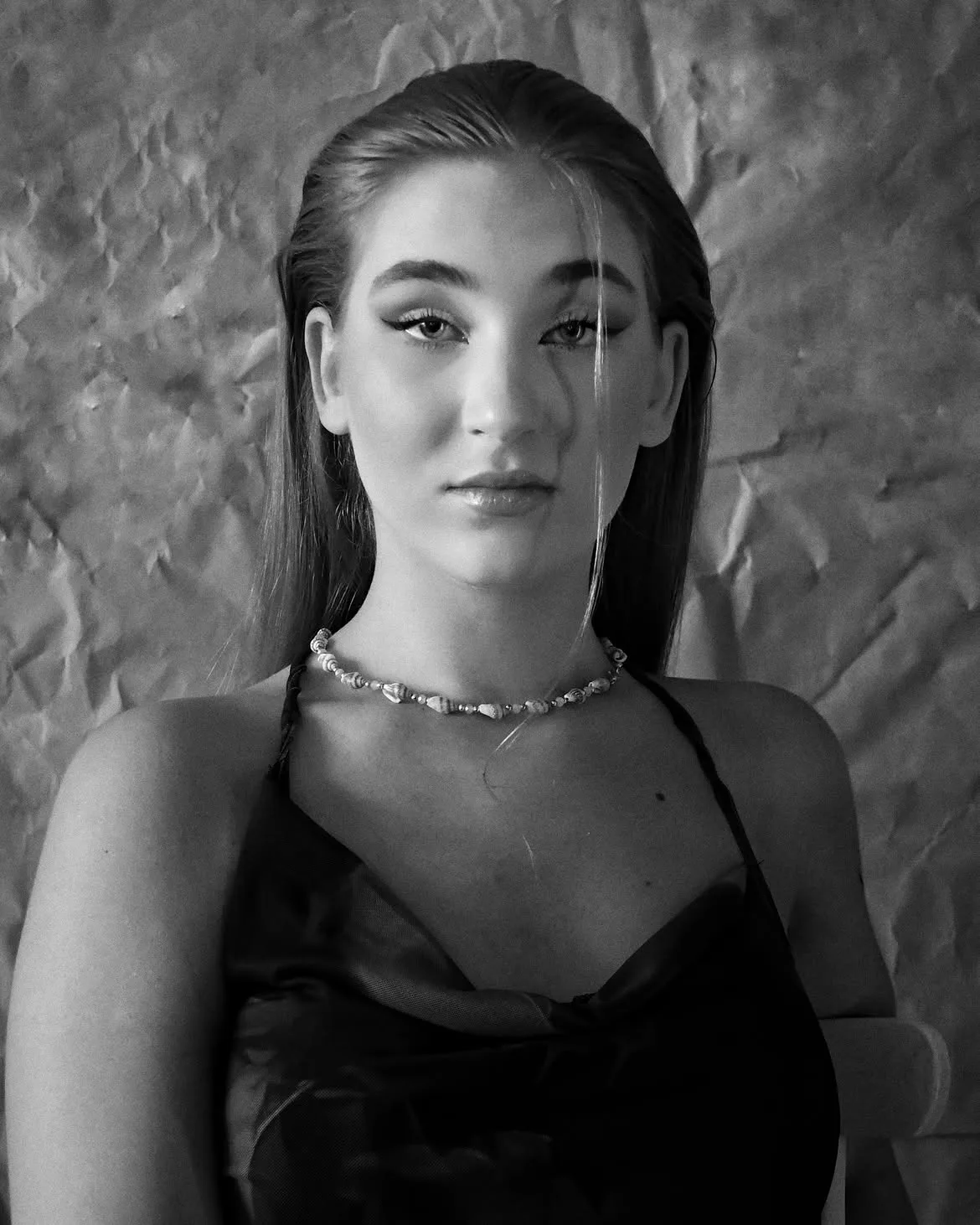
A small figure in a large space feels cinematic and powerful. Conversely, a close portrait with architecture behind gives context and depth.
The choice of focal length decides how much the space comes through. A wide angle lens plays up the architecture, while a telephoto lens pulls the face closer and reduces the building to a softly blurred backdrop. Both approaches have their place.
Choosing a location
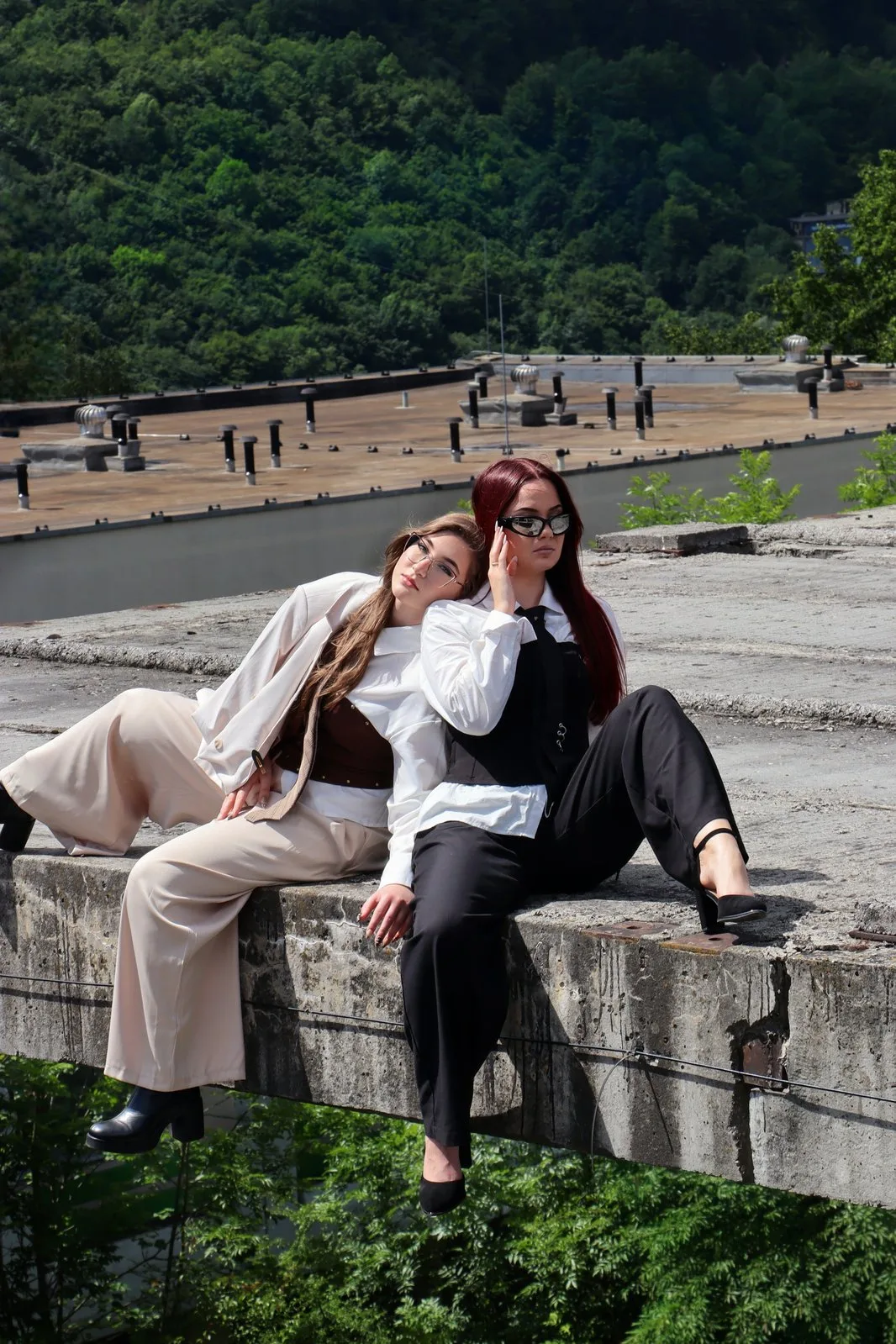
A good location isn't chosen just by how it looks in someone else's photos. Walk through the place yourself, at different times of day, and notice where the light falls and what's going on around you. A historic centre offers detail and craftsmanship, industrial areas bring rawness, modern architecture offers clean lines and glass. Each setting calls for a different approach to wardrobe and posing, so we choose a location together with the client.
What works for an urban portrait
- Scout the location in advance, ideally at different times of day.
- Use the building's lines to lead the eye.
- Let the person lean or sit, not stand stiffly.
- Try different focal lengths, wide angle and telephoto.
What to avoid
- Letting the architecture overpower the person.
- Shooting in harsh midday light with no shade.
- Ignoring distracting background elements, signs, bins, cars.
- Sticking to one stiff pose with no natural movement.
Lines lead the eye
Stairs, columns and windows naturally lead the gaze to the person. Good composition uses what the space offers.
Symmetry and repeating elements, a row of windows or a colonnade, give a photo order and calm. Diagonal lines and irregular angles, on the other hand, bring energy and tension into the frame. Architecture can also work as a natural frame, an archway, a window or a passage that sets the person apart and draws the eye straight to them.
Light in the city
The city offers reflections, shadows and light from shop windows. It's exactly these that make an urban portrait something special.
The most beautiful street light usually appears early in the morning or just before sunset, when the sun hits the buildings at a low angle and casts long shadows. Glass shop fronts and wet pavement after rain act as natural reflectors. In the evening, artificial light takes over and gives a portrait a completely different, more intimate mood.
Working with space and posing
Architecture also offers practical support for posing, a railing, a step or a doorframe give the body something natural to lean on. Instead of a stiff pose in front of the camera, you get a shot where the person is genuinely interacting with the space, leaning, sitting on a step, walking through a gateway. Don't be afraid of movement, walking or turning the head toward the building often creates a more natural expression than a static pose.
| What we compare | Portrait (person) | Architecture (space) |
|---|---|---|
| Focus of the shot | Expression and emotion | Lines and structure |
| Lens | Telephoto, shallow depth of field | Wide angle, captures the whole space |
| Background | Blurred, complementary | Sharp, part of the composition |
| Light | Soft, flattering to the face | Contrasty, highlights shapes |
| Composition | Person as the focal point | Symmetry and leading lines |
| Mood | Intimate, personal | Monumental, tells the story of the place |
Portrait and architecture
- Treat the setting as part of the story
- Play with the scale of person and space
- Use lines that lead the eye
- Work with city light
Drawn to an urban portrait with character? Get in touch and we'll find a place that captures you.
Frequently asked questions
How do you choose a building for a portrait?
We choose based on the mood you want: a historic centre for detail and craftsmanship, industrial areas for rawness, modern architecture for clean lines.
What lens is best for a portrait with architecture?
It depends on the intent. A telephoto brings the face closer and blurs the background, a wide angle sets the person into the context of the space.
Can an urban portrait be shot in bad weather?
Yes, overcast weather works like a natural softbox, and wet pavement after rain adds interesting reflections.
Do you shoot right in the streets of Banská Bystrica?
Yes, the historic centre and the lanes of Banská Bystrica are among our favourite spots for an urban portrait.
Want a portrait with the character of the city?
Together we'll find a place where the person and the architecture truly work together. Have a look at our services, or just get in touch.
Our services Get in touchQuick recap
- Architecture completes the story.
- Playing with scale feels cinematic.
- Lines lead the gaze to the person.
- City light makes a portrait special.