
Street Photography as a School of Awareness: What Hunting Moments in the Streets Teaches Me
The street is the best classroom. It teaches you to see a moment before it happens.
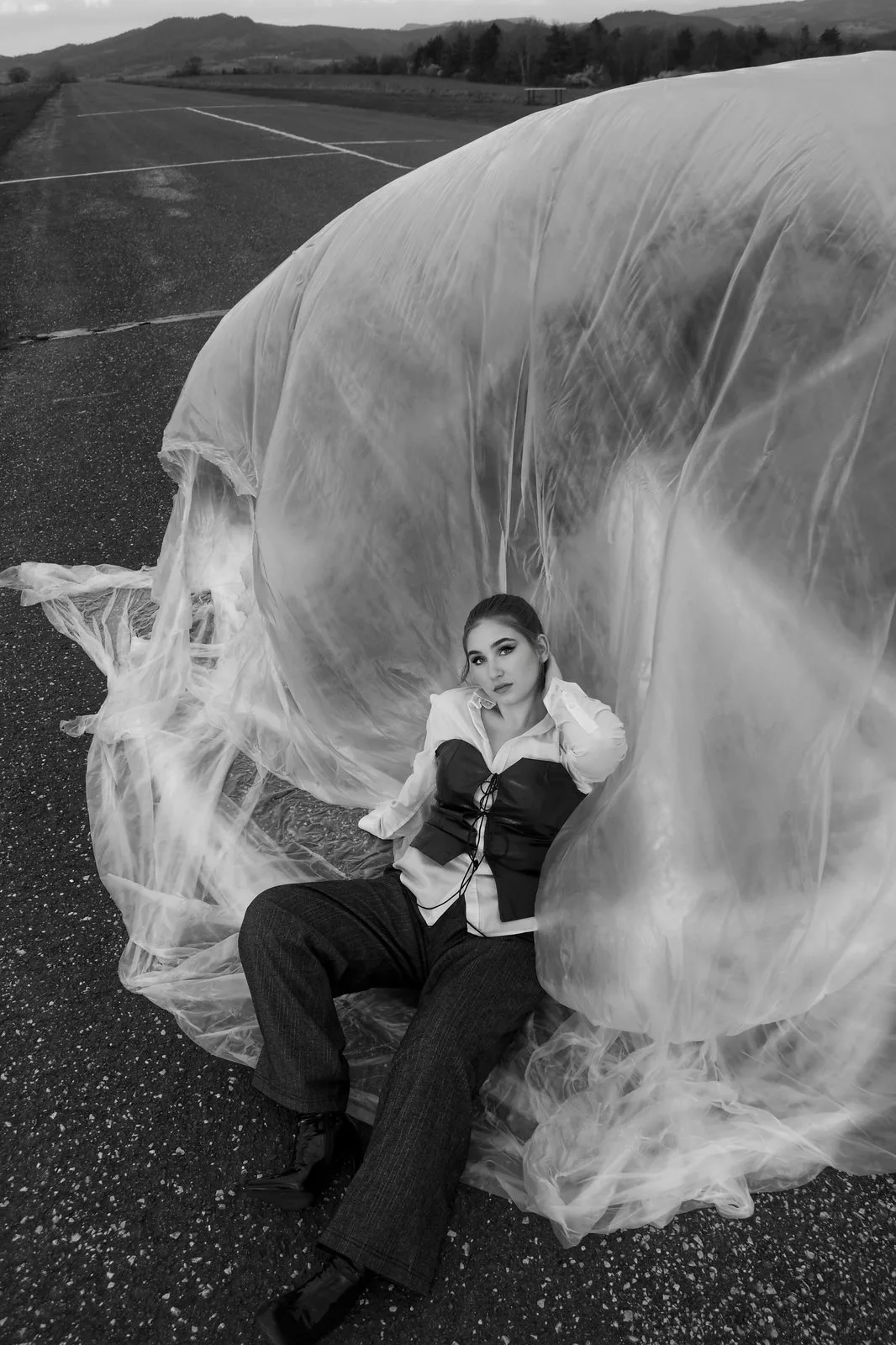
The street is the best classroom. It teaches you to see the moment before it even happens, and that skill helps with every shoot.
Seeing before it happens
Street photography trains you to anticipate. You watch light, people and situations and learn to press the shutter at just the right fraction of a second.
Anticipation can be trained like a muscle. Before you raise the camera, you read the scene, where a pedestrian is heading, when a car will slide into the frame of a window. Over time you notice recurring patterns, how light falls through an awning at a certain hour, where people tend to pause on a crossing. That patient attention to detail is what turns a random shot into a moment that looks carefully staged.
Light and Composition in Real Time
On the street, there's nothing you can set up. You have to work with what's there, and that's exactly what sharpens the eye for light, lines and rhythm.
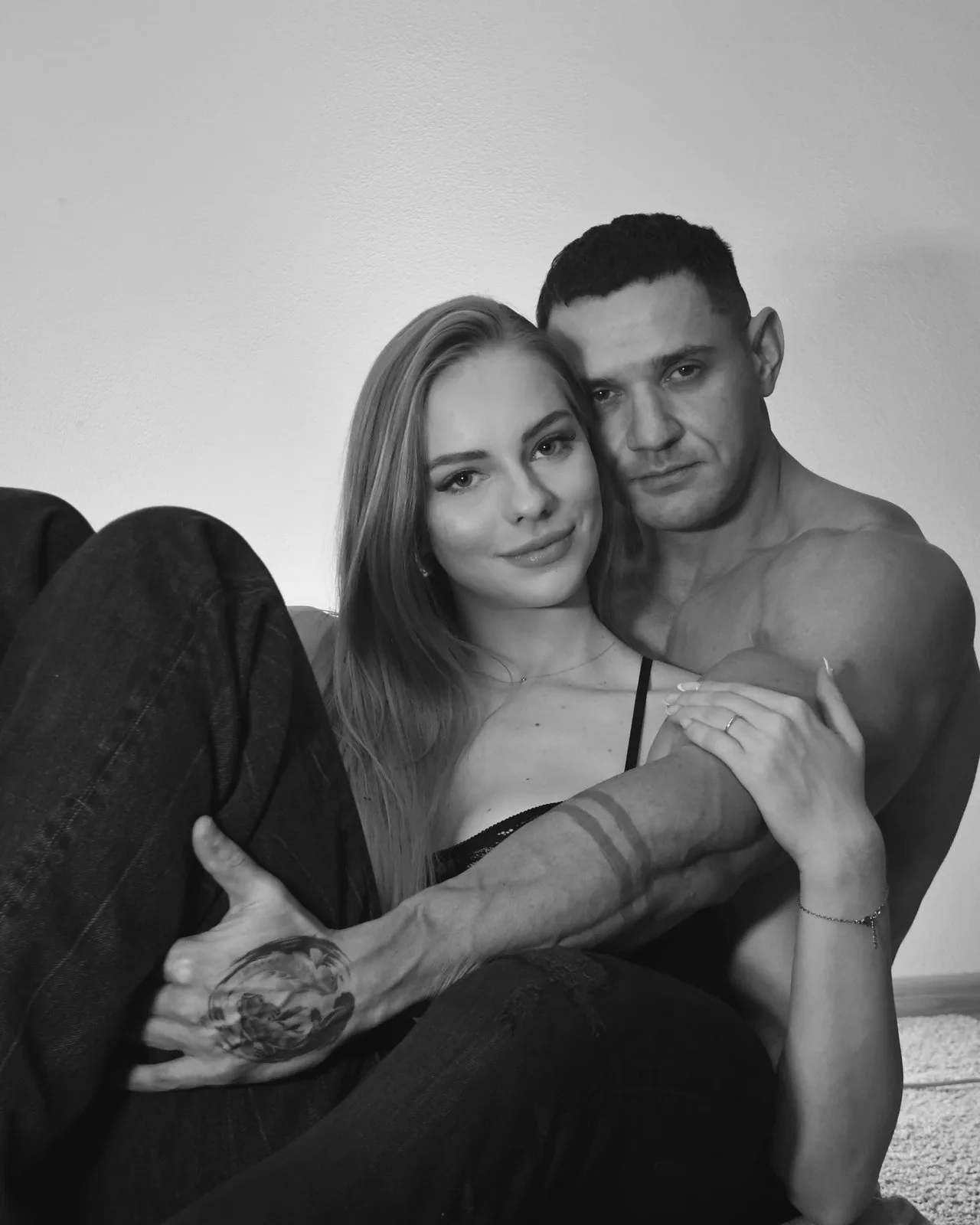
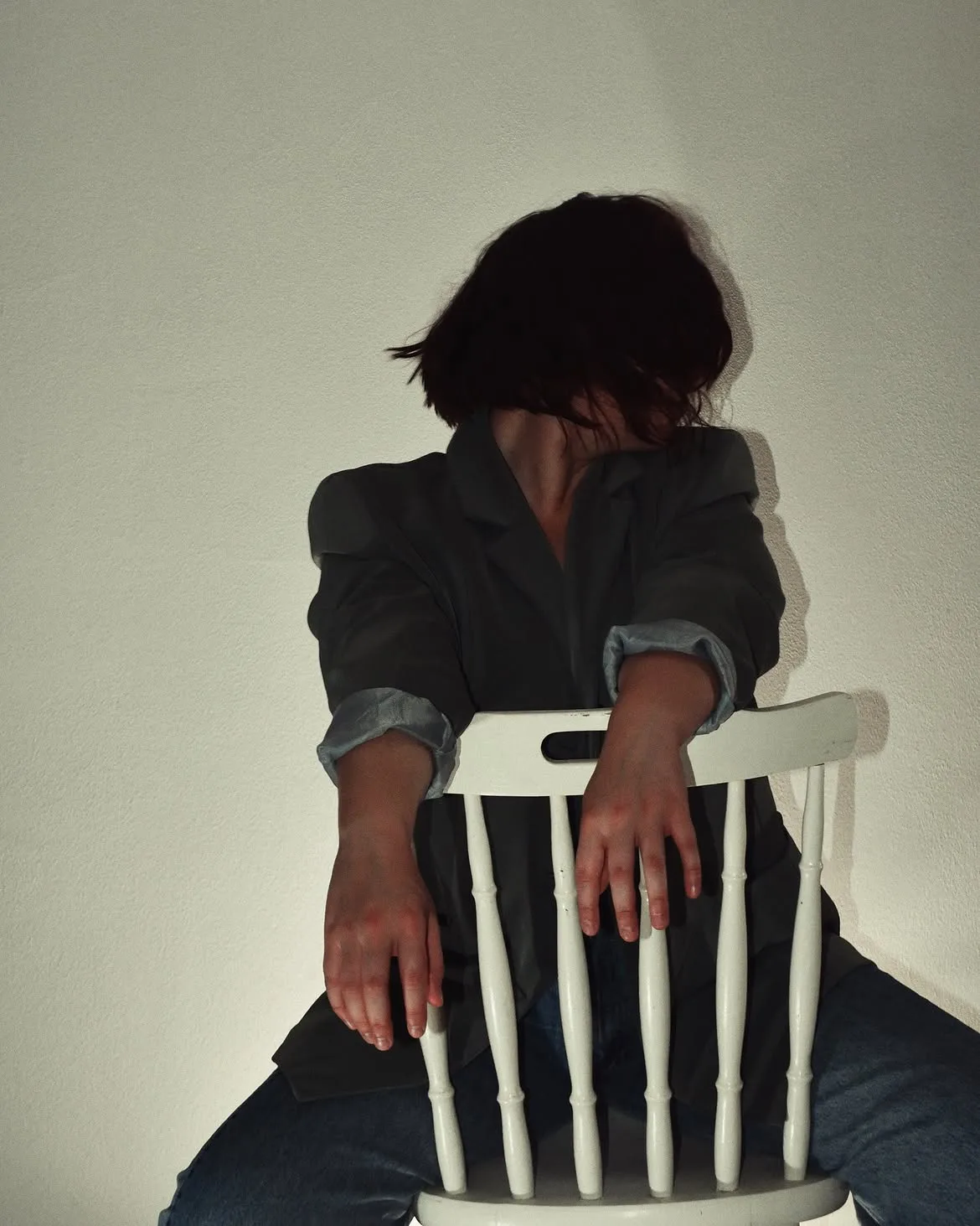
A city offers dozens of kinds of light at once, hard midday shadows between buildings, soft bounced light from shop windows, warm rays cutting through an alley before sunset. That contrast becomes a compositional tool, a silhouette against backlight, a face lit only by the edge of the sun, a figure stepping out of a dark doorway. Anyone who learns to read this shifting light carries the same skill into the studio, where the light is controlled, yet the logic of contrast stays the same.
Composition in Chaos
The street never offers a clean, tidy scene, which is why it becomes a school of composition under conditions you can't control. You look for leading lines in pavements and facades, frames formed by windows or gateways, and layering of foreground and background that gives a shot depth. You also learn to notice what doesn't belong in the frame and remove it by changing angle, instead of fixing it later on a computer. That discipline, finding order in chaos before you press the shutter, pays off on every shoot where the surroundings can't be fully controlled.
Courage and respect
The street also teaches courage to get close and, at the same time, respect for people. That same sensitivity then helps with portraits too.
Respect for people on the street isn't just good manners, it's the foundation of a good photograph. It means judging sensitively who and how to photograph, avoiding shots that mock someone or catch them in a vulnerable moment, and being ready to delete a photo if someone asks. Around children and sensitive situations, extra caution matters. That balance between courage and humility toward the person in front of the lens is exactly what later shows in portraits, where a client can tell the photographer is paying real attention.
What works on the street
- Watch the light and wait for the right moment.
- Respect people and their privacy.
- Shoot unobtrusively, without disturbing anyone.
- Notice details and recurring patterns.
What to avoid
- Pushing into people's private moments.
- Photographing children or sensitive situations without care.
- Rushing and shooting blindly.
- Ignoring it when someone doesn't want to be photographed.
What I take from it
I bring the awareness from the street into every shoot. Thanks to it, I catch even the loveliest unplanned moments.
In practice, that means at a wedding I catch the glance between newlyweds before they notice it themselves, at a family shoot I wait for the genuine laugh instead of a forced smile, and in outdoor portraits I use the light the way I'd look for it on an unfamiliar street. Awareness trained on city streets becomes a quiet tool working in the background of every shoot, whether a studio session, an event, or a family photo in nature.
What street photography gives
- Training to anticipate the moment
- A feel for light and composition
- Courage and respect for people
- Awareness for every shoot
Do you like a relaxed, reportage style? Tell us, we'll gladly bring it into your shoot too.

Frequently asked questions
What is street photography?
Street photography captures spontaneous moments in streets and public spaces, without posing or staging. The goal is an authentic, unarranged moment.
Do I need consent from the people I photograph?
In public spaces, consent is generally not required, but we respect it if someone doesn't want to be photographed. We're more careful in sensitive situations.
Can the street style be used for regular shoots too?
Yes, gladly. We bring the relaxed, reportage style of street photography into wedding, family and portrait shoots too.
Do you offer street photography as a service?
We treat street photography more as part of our style than a standalone commercial service. If it interests you, we're happy to talk.
Like the reportage style?
The same feel for moment and light that we train on the street, we bring to your shoot too. Have a look at our services, or just get in touch.
Our services Get in touchQuick recap
- The street teaches you to anticipate the moment.
- It sharpens the eye for light and composition.
- It teaches courage and respect.
- Awareness helps in every shoot.